| CLICK HERE FOR INDEX PAGE | |
| SPRINGS | |
| V. Ryan © 2009-2020 | |
| VIDEO - SPRINGS AND THEIR USES | |
 |
|
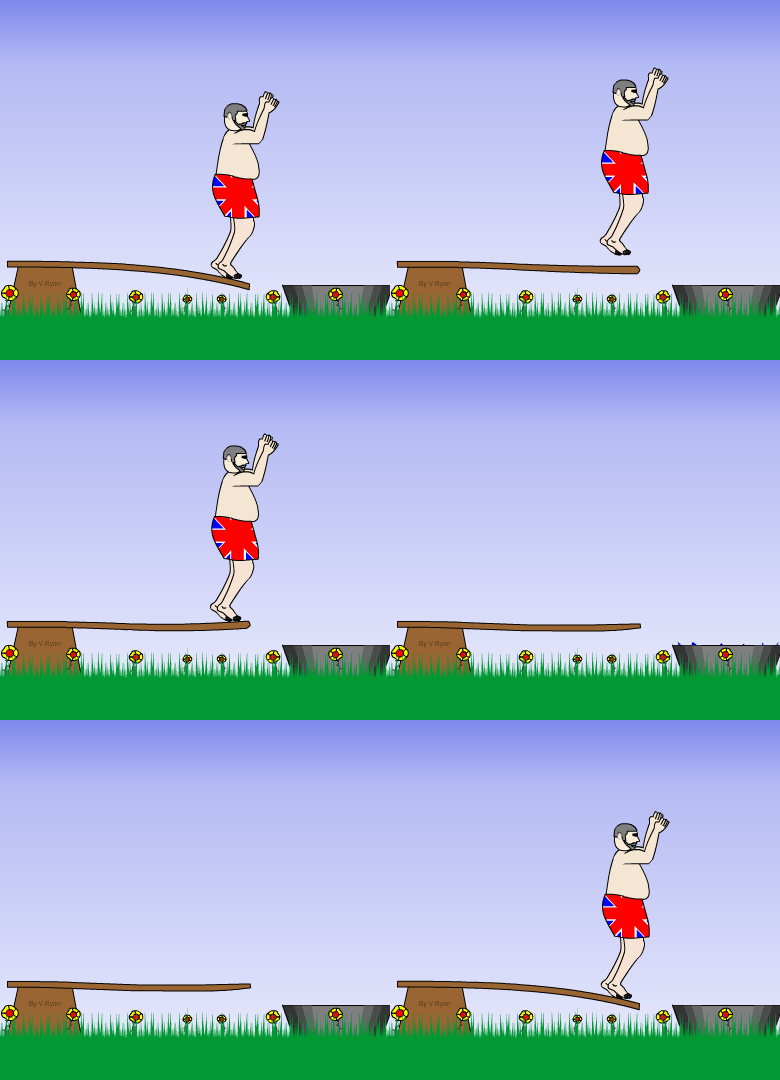 |
Springs are available in
a large variety of shapes and sizes. Almost everyone will have either used
a springboard at a swimming pool to dive into the water. The springboard
may be made from laminated wood (layers of wood glued together) or be a
more modern glass fibre type material. The result is the same - the diver
uses his/her weight to spring off the board into the air. Springs have a very wide range of uses and it is difficult think of a mechanical device without one or more of them. |
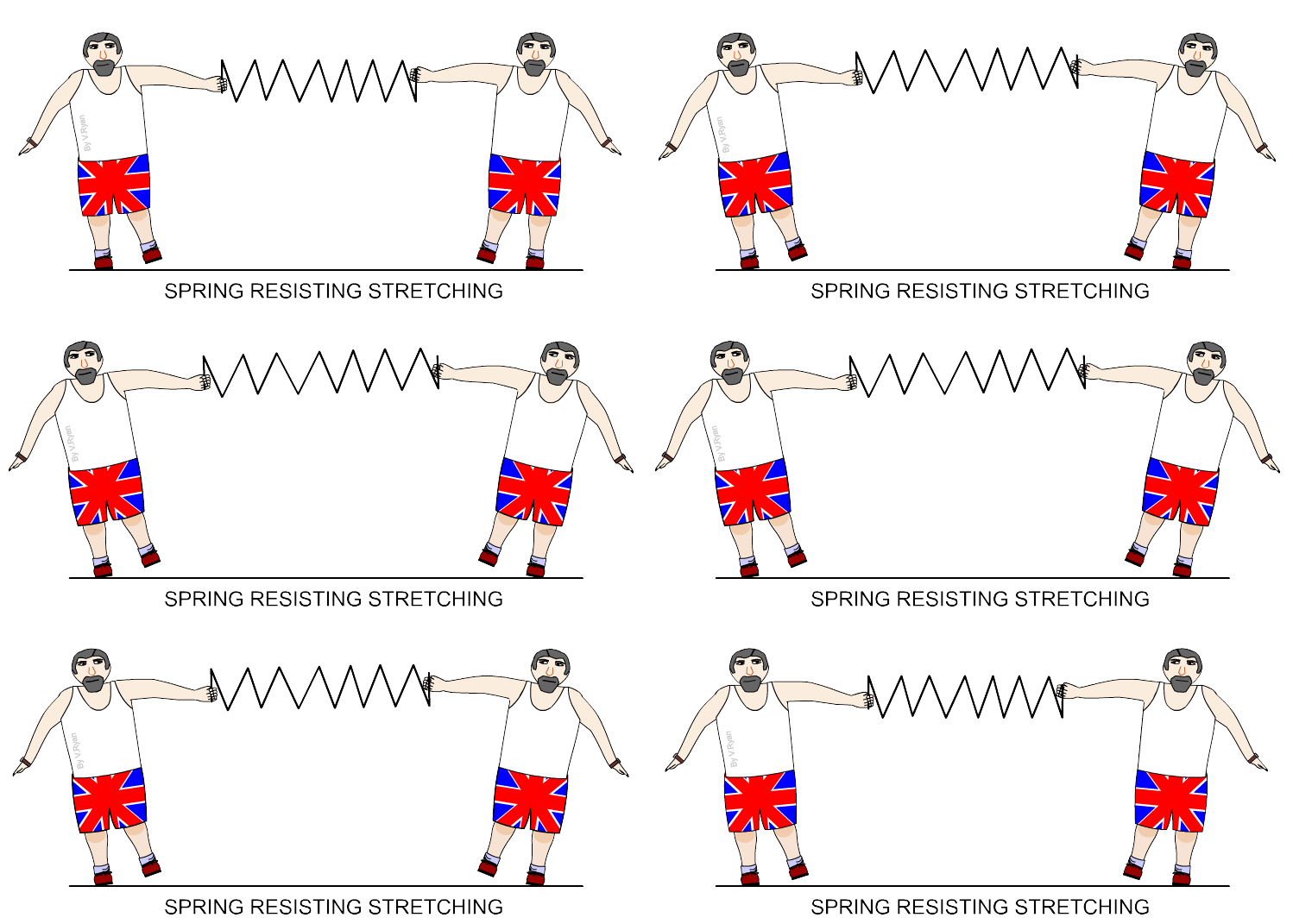
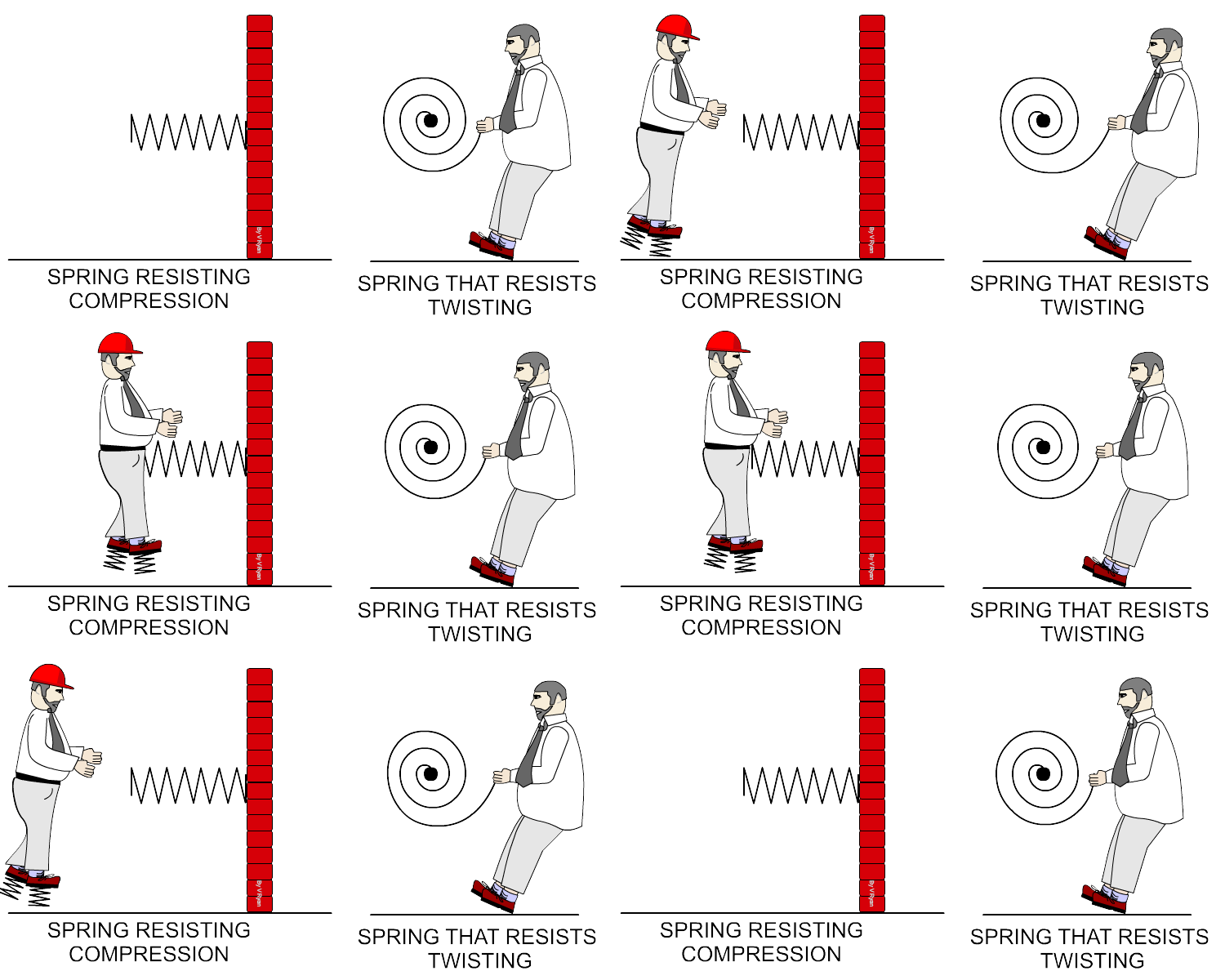
| Springs perform different actions and some examples are seen below. Some restrict stretching whilst others restrict compression. | |
 |
|
 |
|
| Springs are used in engines, motors, watches, clocks, door handles, locks, pens etc... Choose a simple mechanism and dismantle it. Study how any springs work and draw a diagram to represent the movement involved (add explanatory notes). | |
 |
|
| List three materials that possess the property of ‘spring’ and describe a practical application (example - a plastic ruler manufactured from polyethylene). | |
| 1. | |
| 2. | |
| 3. | |
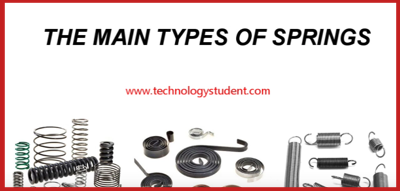
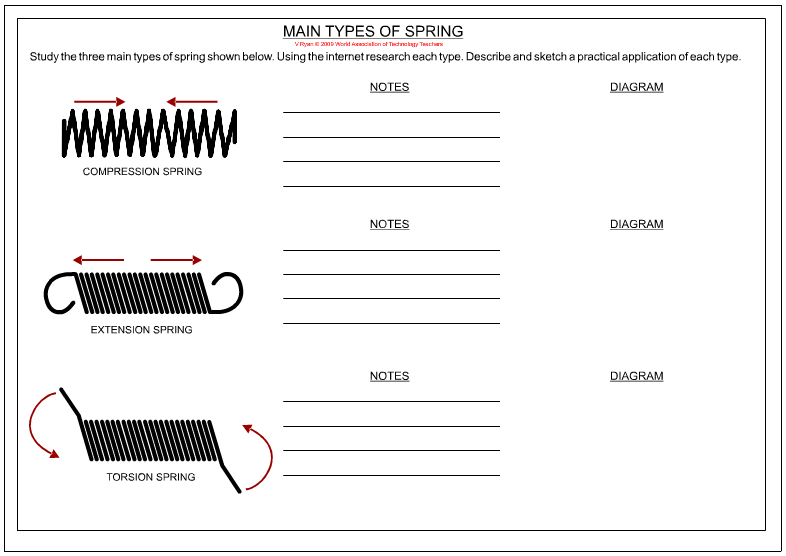
| MAIN TYPES OF SPRING | |
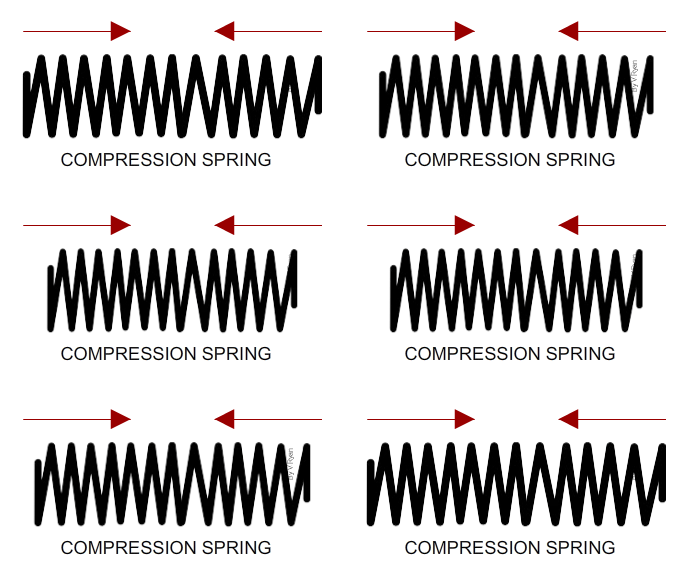
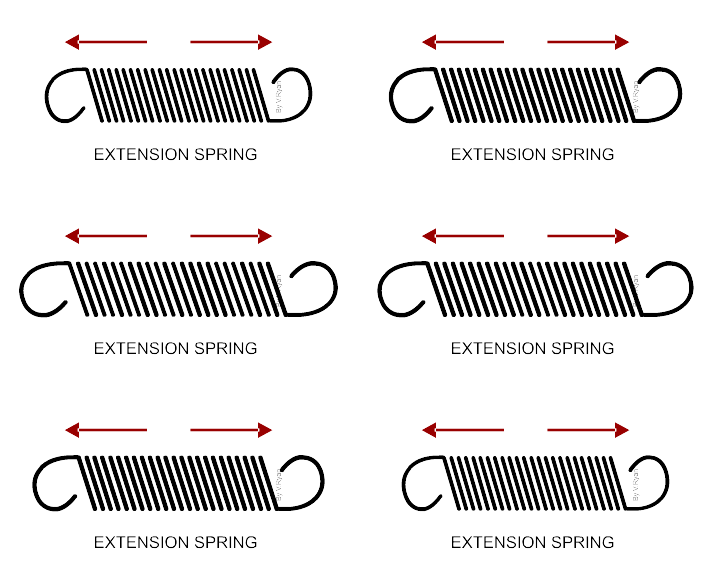
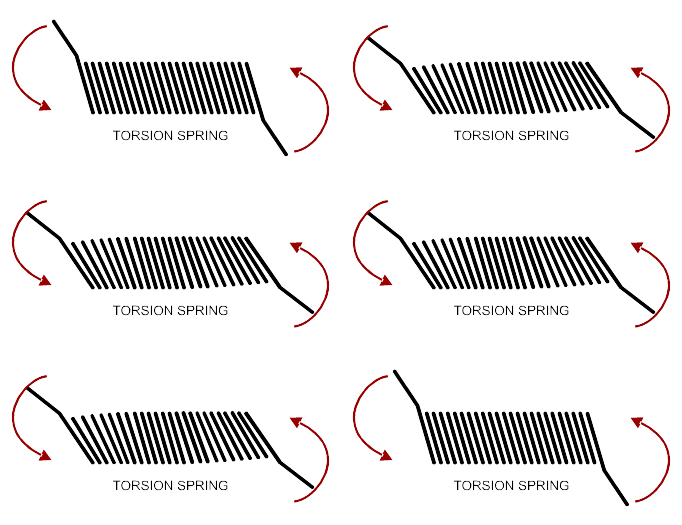
| Study the three main types of spring shown below. Using the internet research each type. Describe and sketch a practical application of each type. | |
 |
 |
 |
|
| PDF FILE - CLICK HERE FOR PRINTABLE WORKSHEET | |
 |
|
| CLICK HERE FOR TECHNOLOGY AND THE ENVIRONMENT INDEX PAGE | |
| CLICK HERE FOR MECHANISMS INDEX PAGE | |