| |
| CLICK HERE FOR INDEX PAGE |
| |
| THE FUNCTIONS OF PACKAGING |
| V. Ryan © 2004 - 2011 |
| |
|
PDF FILE -
CLICK HERE FOR PRINTABLE WORKSHEET |
|
|
|
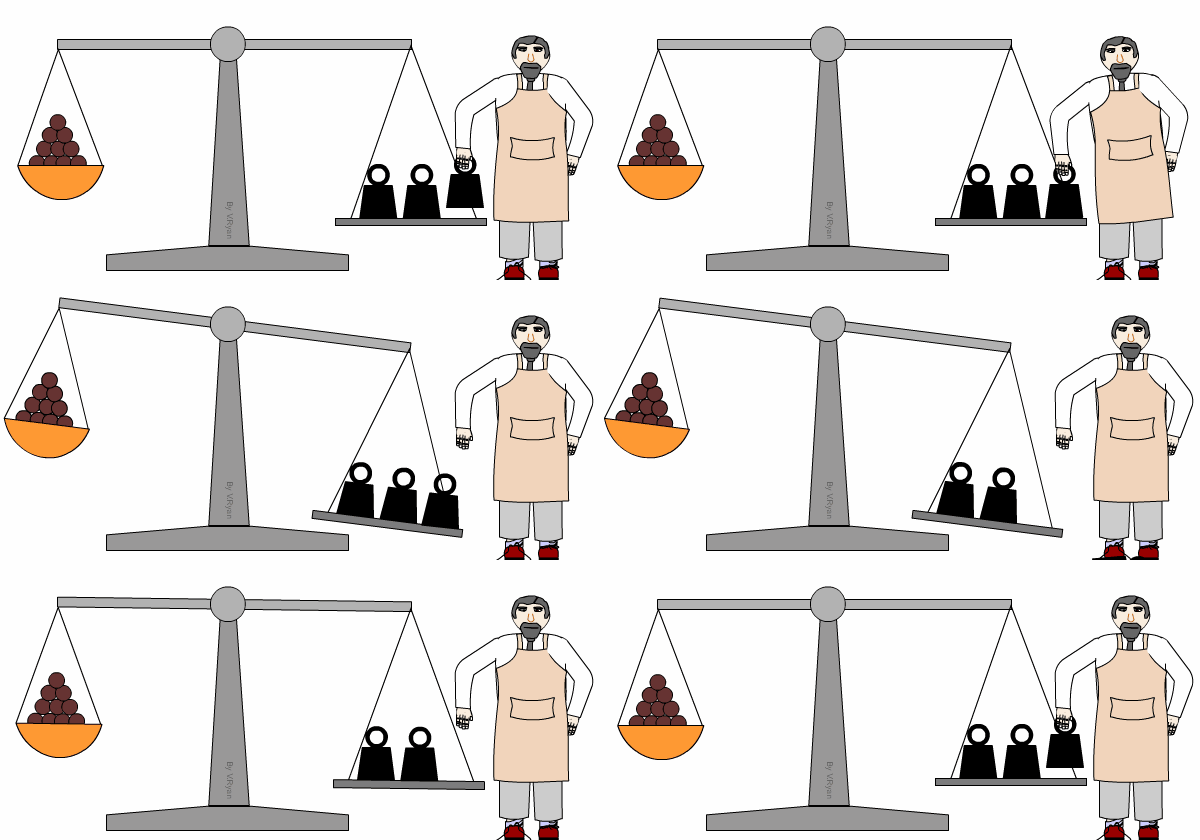
Billions of pounds are spent on packaging food and
other items each year. Sixty percent of all packaging is for food
products. At the beginning of the 20th century most food was sold loose.
It was weighed and measured out and placed in bags or directly into the
shoppers bag to carry home. |
|
|
 |
|
|
|
Packaging and advertising were virtually unknown. Today packaging is a
massive, lucrative industry and often it is the way the packaging looks
that persuades the shopper to buy the product inside it. |
| |
|
|
|
|
|
THERE ARE SIX MAIN REASONS WHY PACKAGING DEVELOPED AND
IS IN USE TODAY |
|
|
|
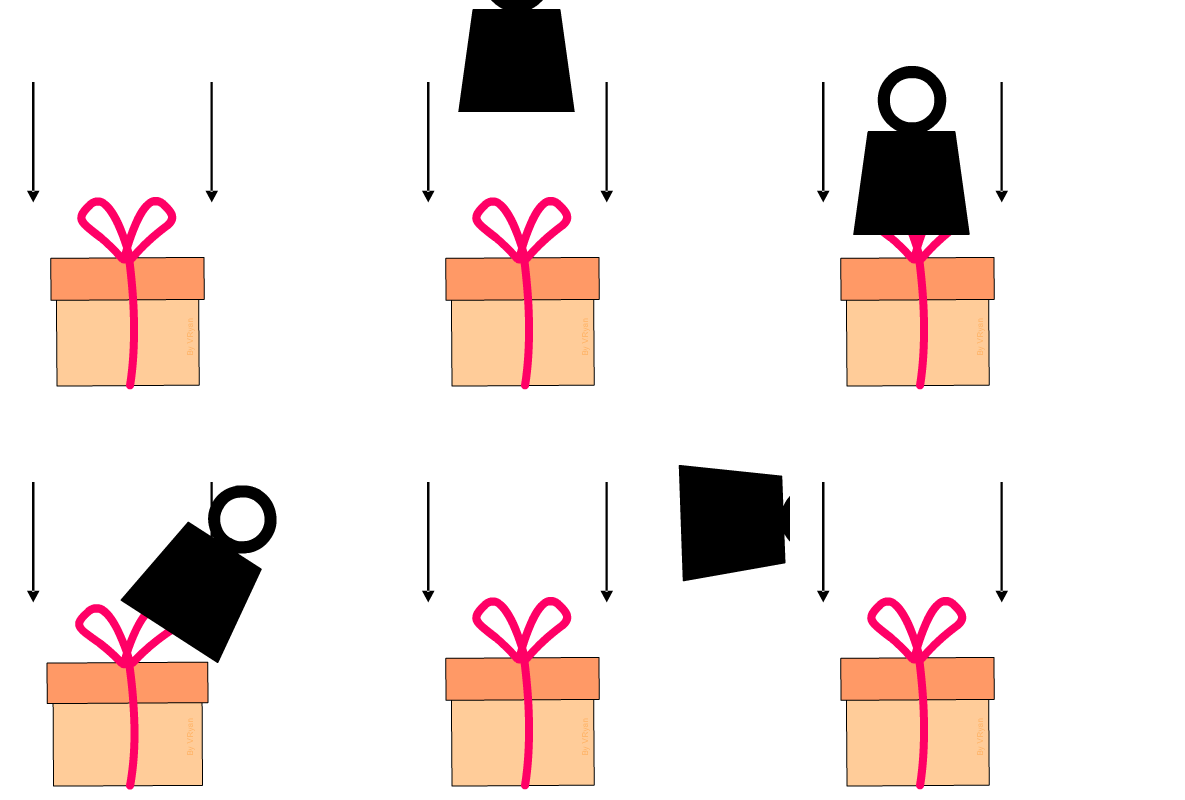
1. To protect
a product from damage or contamination by micro-organisms and air,
moisture and toxins.
The product must be protected against being dropped, crushed, and the
vibration it suffers during transport. Delicate products such as fruits
need to be protected by a rigid package such as a laminated container.
The product most also be protected against the climate including high
temperatures, humidity, light and gases in the air.
It must also be protected against micro-organisms, chemicals, soil and
insects. |
|
|
|
|
|
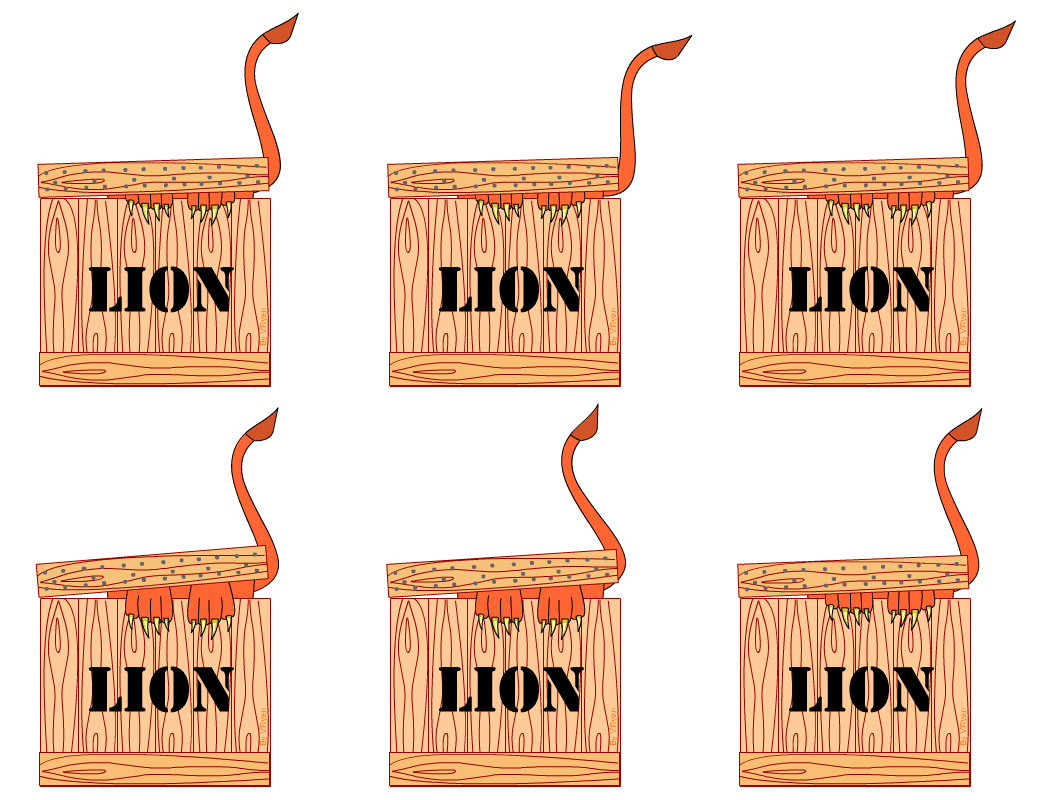
2.
To keep the product together, to contain it (i.e.
So that it does not spill).
Some shapes cannot be easily packaged, for example, certain vegetables.
However, there are methods of getting around this problem. Suppliers of
canned vegetables such as carrots have developed a particular type of
plant that yields carrots that are straight and smaller than the normal
variety. These fit into cans. Some products such as fruit juices and
sausages need to be contained in packages that hold them together and
are sealed to prevent spillage and loss. |
|
|
|
|
|
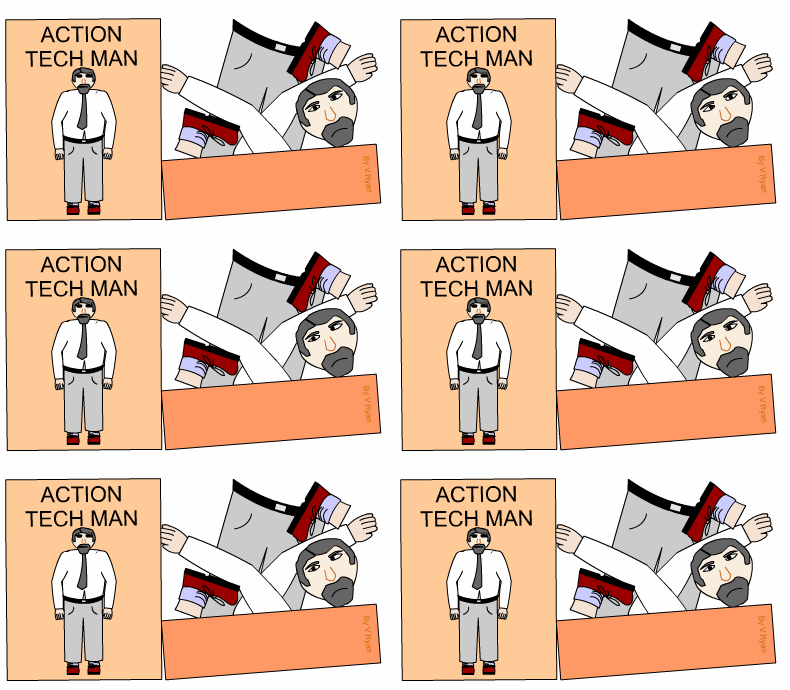
3.
To identify the product.
Packaging is the main way products are advertised and identified. To the
manufacturer the package clearly identifies the product inside and it is
usually the package that the customer recognises when shopping.
Advertising is very important when a manufacturer launches a new or
existing product. The package, through its colour scheme or logo, is
what is normally identified by the customer.
The package will also contain important information including
ingredients and ‘sell by date’. |
|
|
|
|
|
|
|
|
4. Protection during
Transport and Ease of Transport.
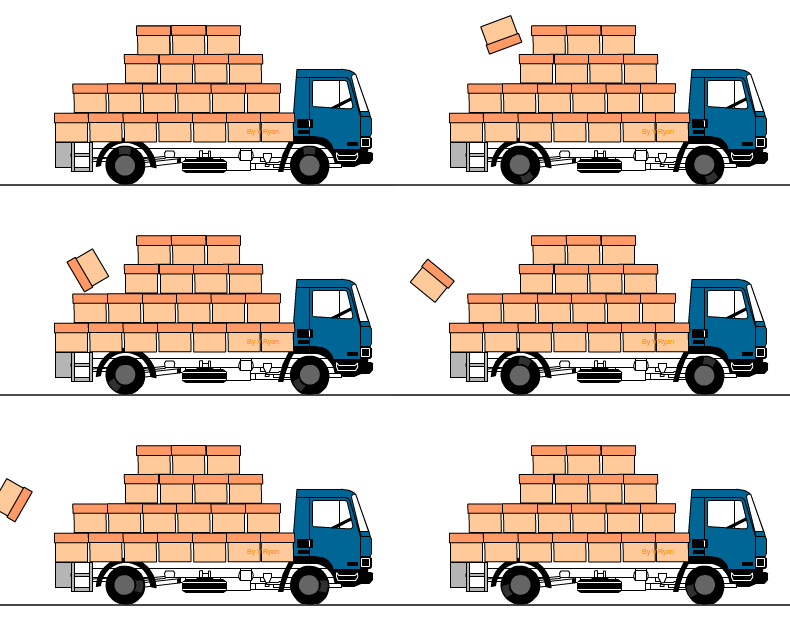
A package should be designed to make it easy to transport, move and
lift. A regular shaped package (such as a cuboid) can be stacked without
too much space between each package being wasted. This means that more
packages can be transported in a container of a lorry. Unusually shaped
packages can lead to space being wasted and this can be costly if
thousands of the same package are been transported. |
|
|
|
|
5. Stacking and Storage.
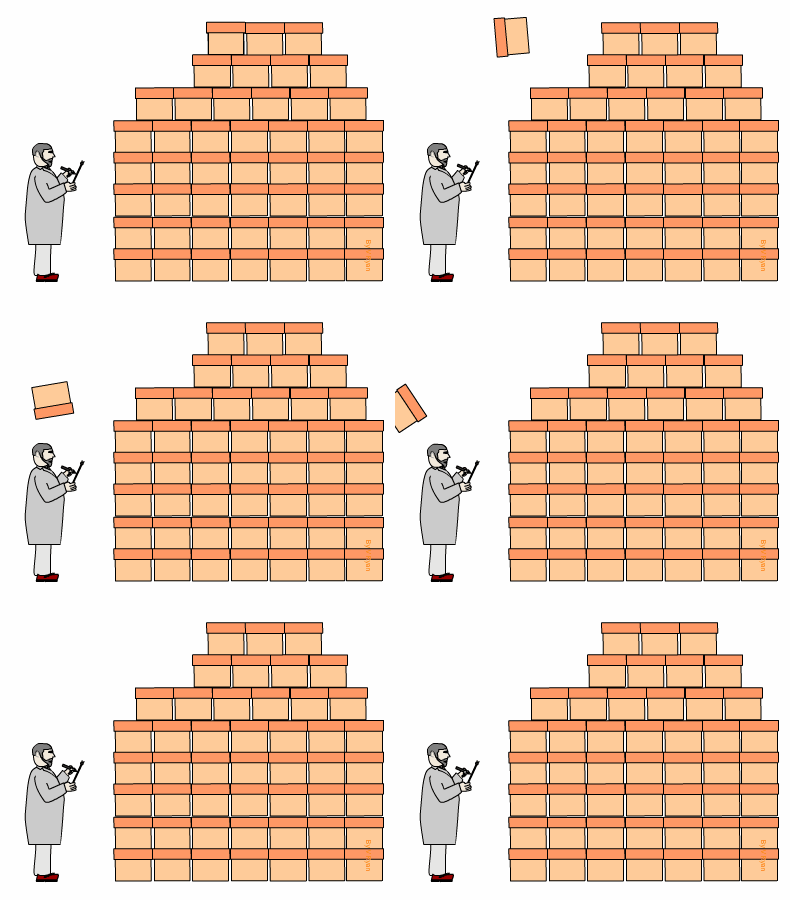
In supermarkets and shops it must be possible to stack packages so that
space is not wasted on the shelves. Lost space on shelves is looked up
on a lost opportunity to sell to a customer. Also, the package must be
designed in such a way that all the important information can be seen by
a potential buyer, especially the product name. The next time you visit
the supermarket look carefully at the shape of the packages. They are
usually the same rectangular / cuboid shape. It is the selection of
colours and shades that determine whether the product inside is regarded
as a quality, sophisticated or cheap item. Often packages are stacked on
top and alongside each other to reduce wasted space. The shape and form
of the package determines how efficiently they can be stacked or stored. |
 |
|
|
|
6. Printed Information.
Information that is useful to consumers and
companies such as Supermarkets, is printed on packaging. This includes,
ingredients, sell by dates, price, special offers, manufacturers
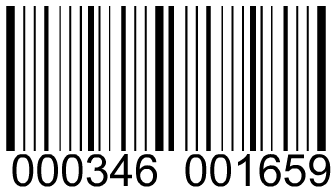
address, contact information, product title, barcode and more.
The bar code is extremely useful to the shop selling the product. When
the barcode is scanned, the computer system automatically determines if
the product needs reordering. Also, the price of the product appears at
the till. |
 |
|
|
|
|
|
|
|
|
|
CLICK HERE FOR
DRAWING AND SHADING TECHNIQUES INDEX PAGE |
|
|
|
CLICK
HERE FOR PRODUCT DESIGN INDEX PAGE |
|
|
|
|
|
|
|
|
|
|