|
V. Ryan © 2002-2022 BATTERIES and LEDs |
||||
|
PDF FILE - CLICK HERE FOR PRINTABLE EXERCISE BASED ON WORK SEEN BELOW |
||||
| CLICK HERE FOR POWERPOINT VERSION OF WORKSHEET | ||||
|
Many pupils are scared of electronics as they look at the books in the library. These are often very complex as very few have been written for beginners. This can put off people from learning about electronics and circuits. Everywhere we look there are examples of electronics, ranging from a simple radio to a hi-tech digital television. However complex looking an electronic device may be, they are all based on simple components gathered together in circuits. |
||||
|
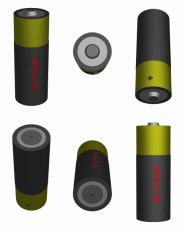
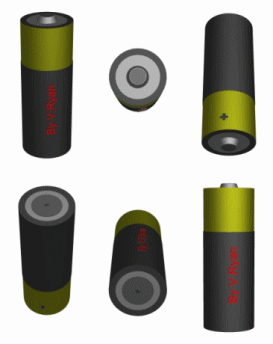
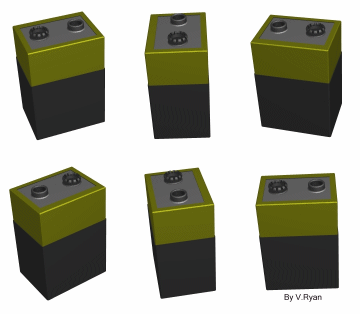
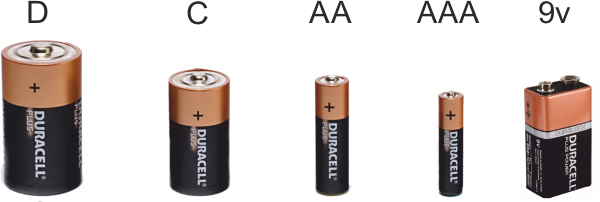
Batteries come in all
shapes and sizes. They store electrical charge and as we all know when they
are put into an electronic device such as a portable radio, they provide the
power. The usual battery sizes are seen opposite. These are the type used in
school projects and range from 1.5 volts to 9 volts. |
|||
| BATTERY SIZE CHART | ||||
 |
||||
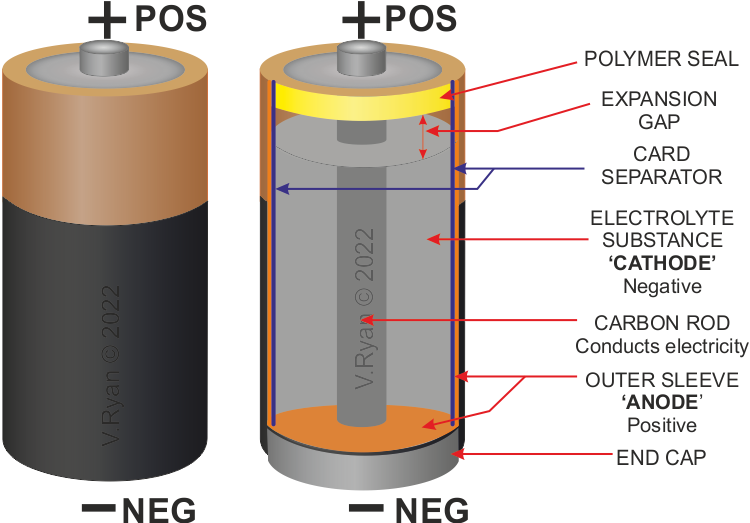
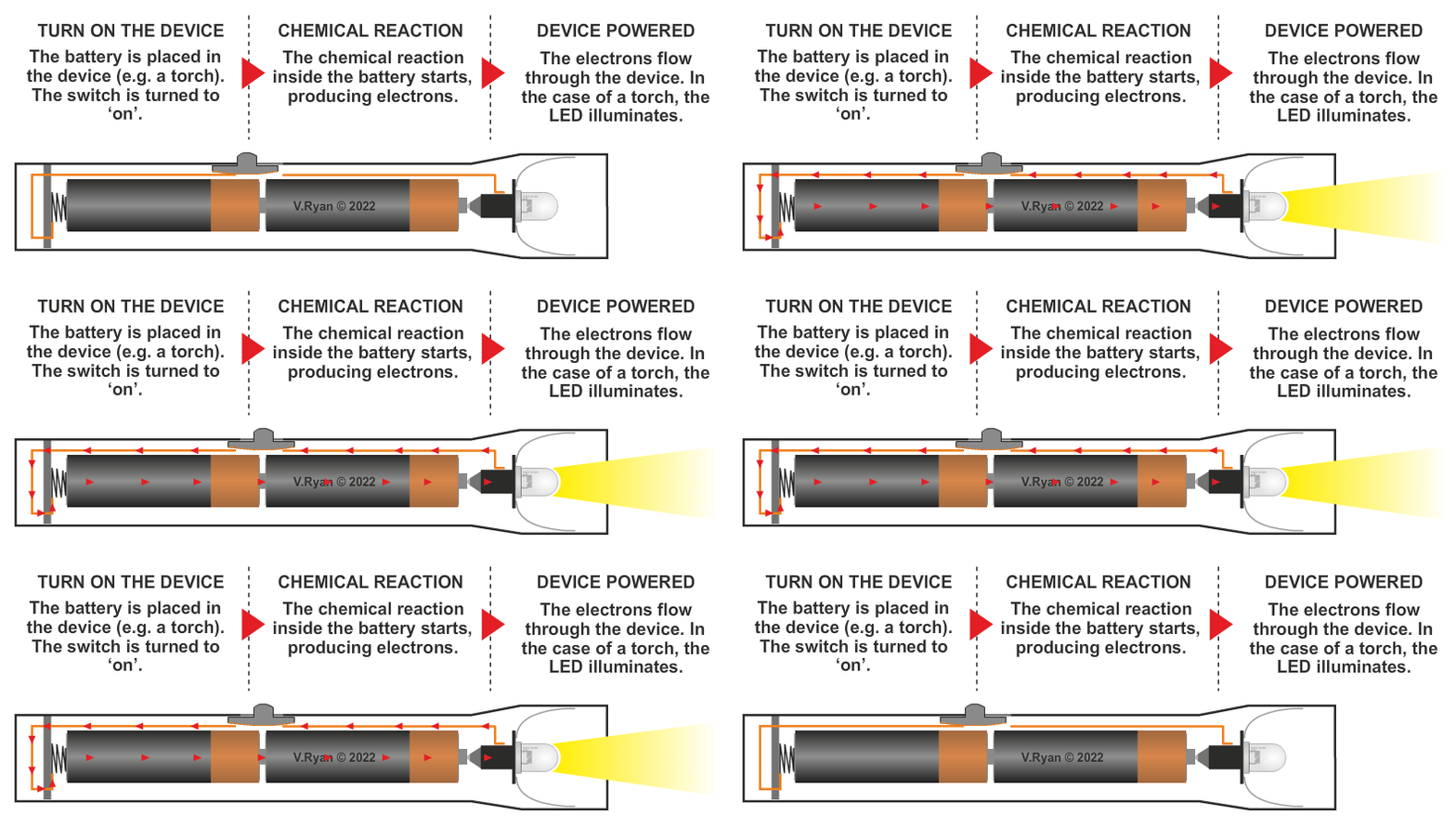
| The purpose of a battery, is to store electricity for later use. More accurately, batteries store chemical energy, that is later converted to electricity (called electrochemistry). Take the example of a torch. When a torch is turned on, electrons flow from the battery and through the torch circuit. It is the flow of electrons / electricity, that illuminates the LED / bulb. | ||||
| Batteries are built up of one or more electrochemical cells. A single electrochemical cell, is composed of two electrodes, kept apart by an electrolyte. The electrolyte is usually a water / sulphuric acid mixture, in the form of a paste, which conducts the flow of electrons between the electrodes. The electrodes are called the anode (+) and the cathode (+). They are separated by a card ‘separator’. | ||||
 |
||||
 |
||||
| A SIMPLE CIRCUIT POWERED BY A PAIR OF AA BATTERIES | ||||
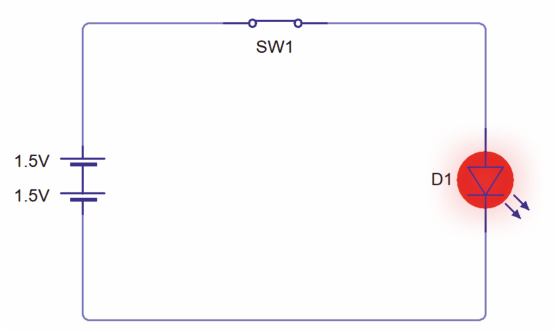
| CIRCUIT WIZARD SIMULATION | ||||
 |
||||
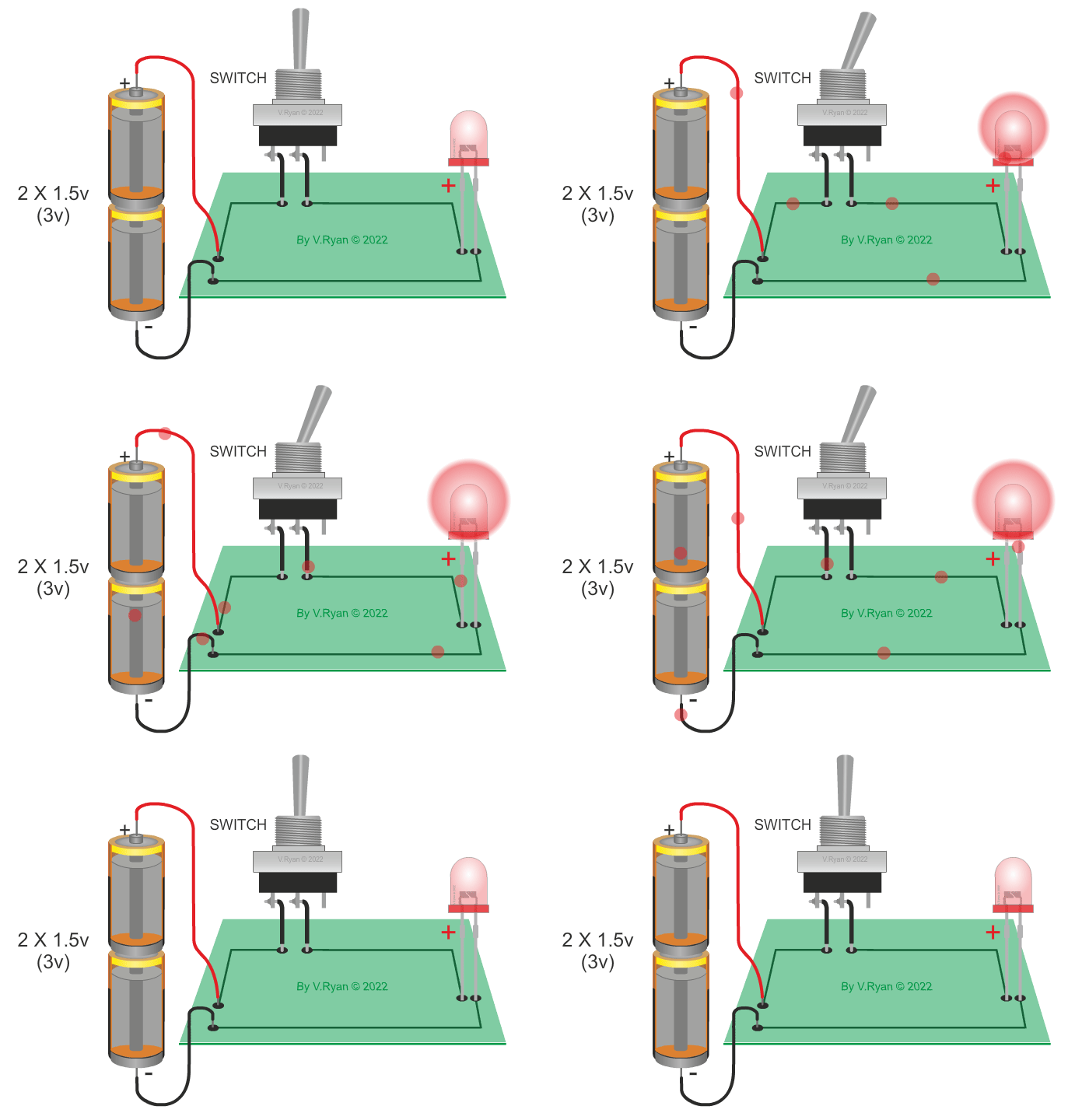
| PICTORIAL REPRESENTATION OF THE CIRCUIT SHOWN ABOVE | ||||
 |
||||
| CLICK HERE FOR MORE INFORMATION ON BATTERIES INCLUDING RECHARGEABLE BATTERIES | ||||
| INTRODUCTION TO LIGHT EMITTING DIODES (LEDs) | ||||
|
|
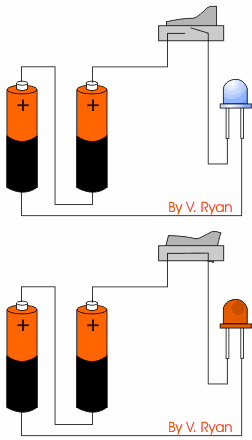
QUESTION This shows one of the most simple circuits. When the switch is pressed, the LED (further information below) lights. Resistors are used in circuits because LEDs can be destroyed by voltages over 3 volts. Why do you think the circuit opposite does not have a resistor to protect the LED ? |
|||
|
ANSWER In theory, each battery is 1.5 volts. The two batteries are connected in ‘series’, they are both linked positive to negative and this gives us a total of 3 volts. Therefore, the LED is safe from damage. However, most LEDs can handle about 200ma, as they are current devices. Some colors like blue need a much higher voltage. A single AA battery can provide 500ma, in series which means 3v x 500ma = 1.5 watts. This can burn out most of the LEDs. |
||||
|
THE LED |
||||
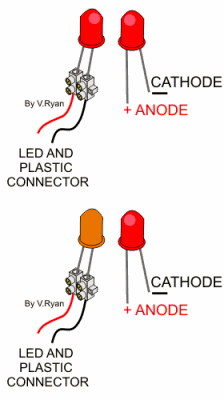
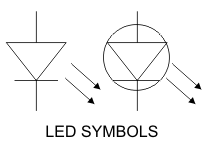
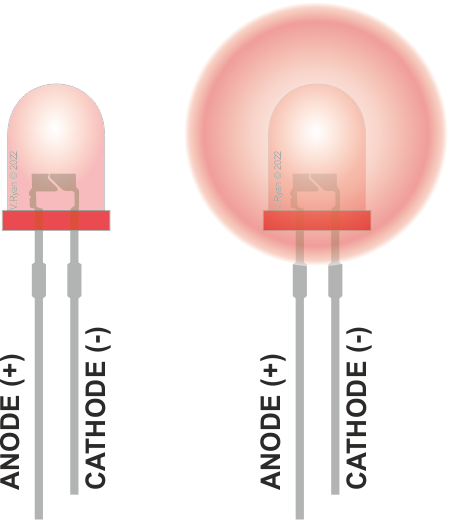
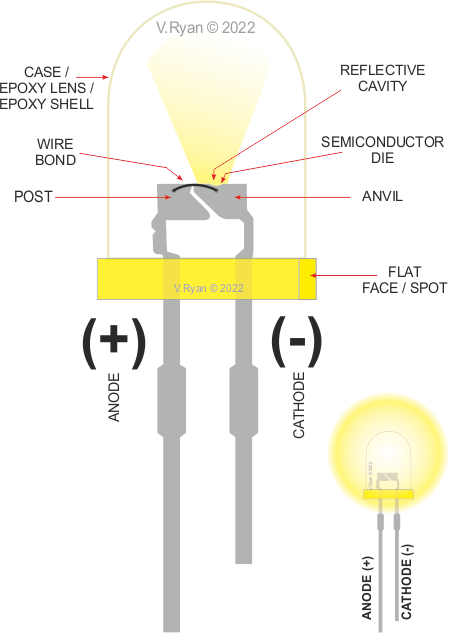
| Light Emitting Diodes (LEDs) are semiconductor devices capable of converting an electrical current, into light. They are long lasting, have low power consumption levels and instantly switch to between emitting light (on) and off. | ||||
 |
||||
|
|
Light Emitting Diodes
(LED) are very rugged, they last a very long time and they are an optical
source. (A LIGHT SOURCE) |
|||
|
|
||||
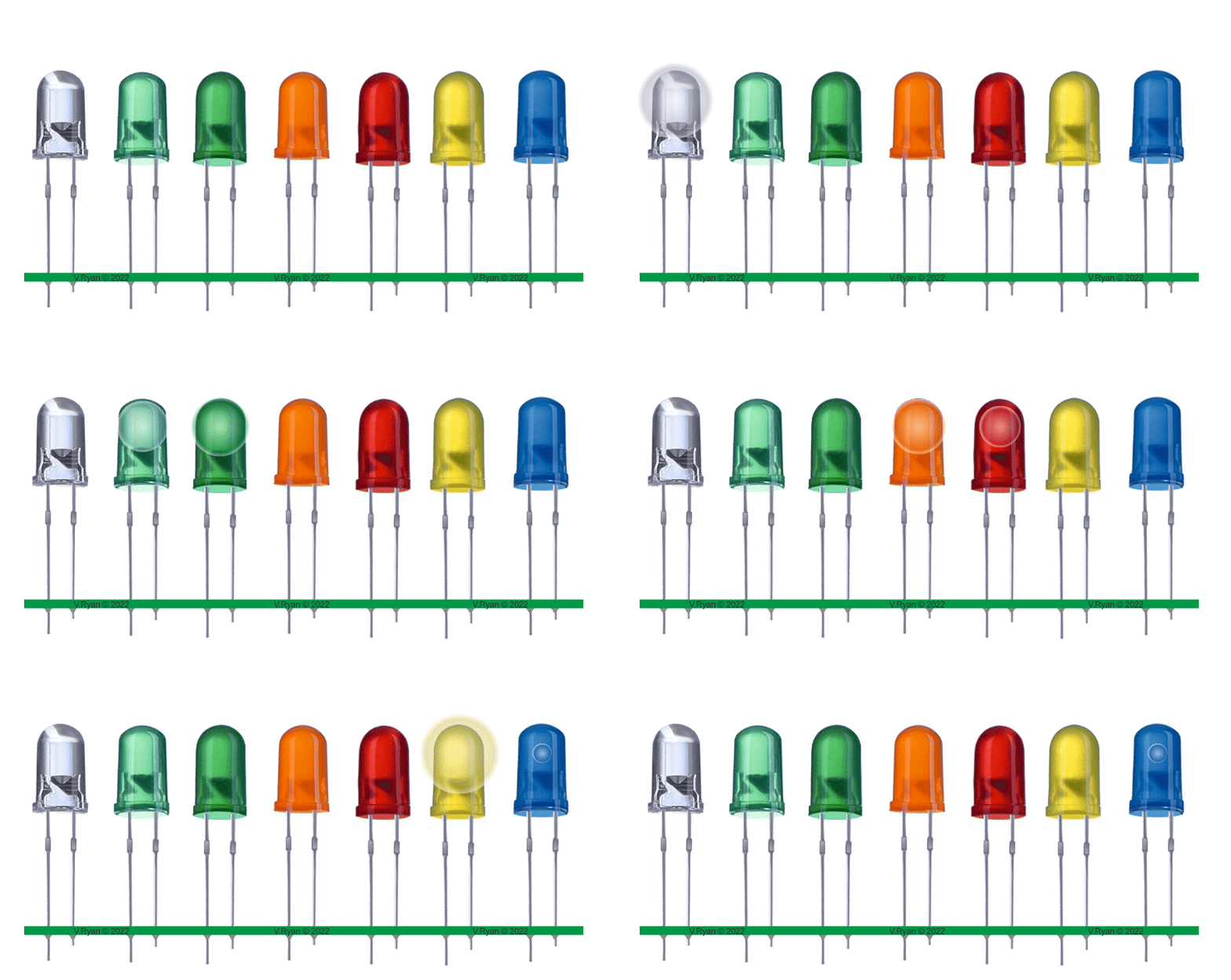
| SAMPLE RANGE OF LED COLOURS | ||||
 |
||||
| TYPICAL LIGHT EMITTING DIODE | ||||
 |
||||
|
|
||||