Electronic circuits in schools and industry are
normally manufactured through the use of PCBs (Printed Circuit Boards).
The boards are made from glass reinforced plastic with copper tracks in
the place of wires. Components are fixed in position by drilling
holes through the board, locating the components and then soldering them
in place. The copper tracks link the components together
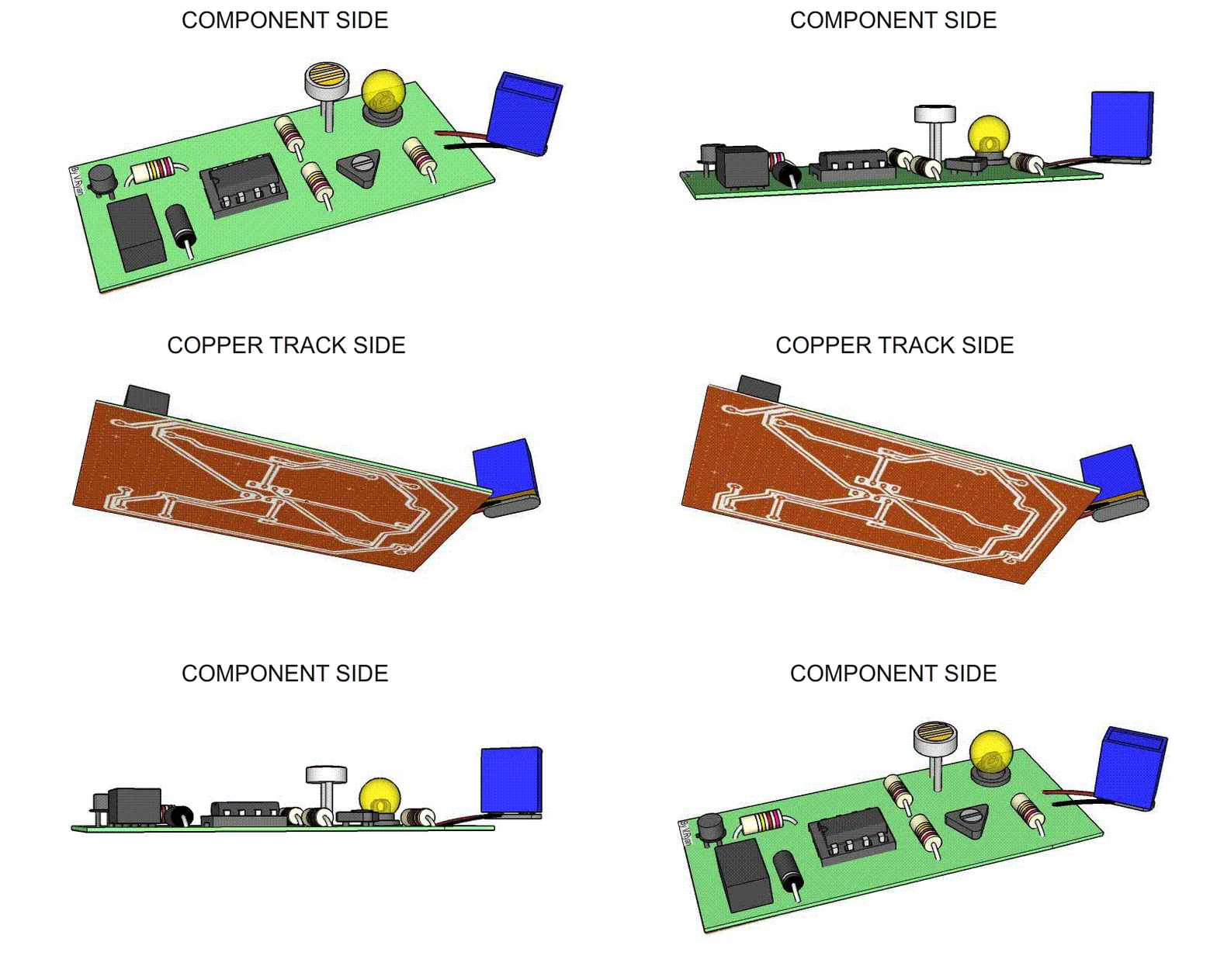
forming a circuit. The animation shows the components arranged on the
'component side' of the PCB and as it rotates, the copper tracks are also shown.
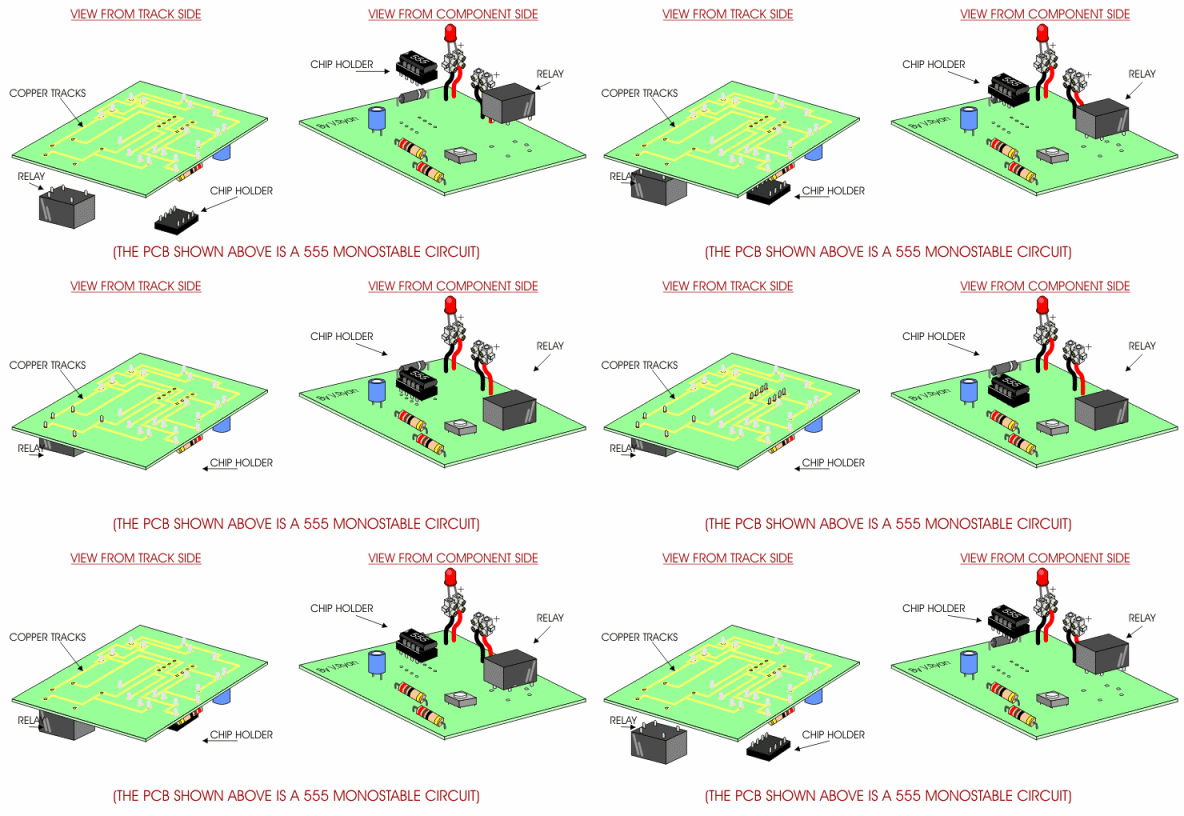
The two diagrams below show the track side of a PCB (normally the
underneath side) and the component side (normally the top side) of the
same circuit. The relay and integrated circuit are ready to be placed in
position and soldered.
A circuit such as the one shown below, can be drawn
using software such as Circuit Wizard. This allows individual
components such as resistors, integrated circuits and capacitors to be
dragged onto the screen and connected together, forming a complete
circuit. The finished circuit can then be simulated on screen. If the
circuit is not correct it can be altered until it works in the desired
way.
This allows you to test the circuit on the computer and correct any
mistakes or make improvements. This saves time as there is no need to
build the circuit with real components.
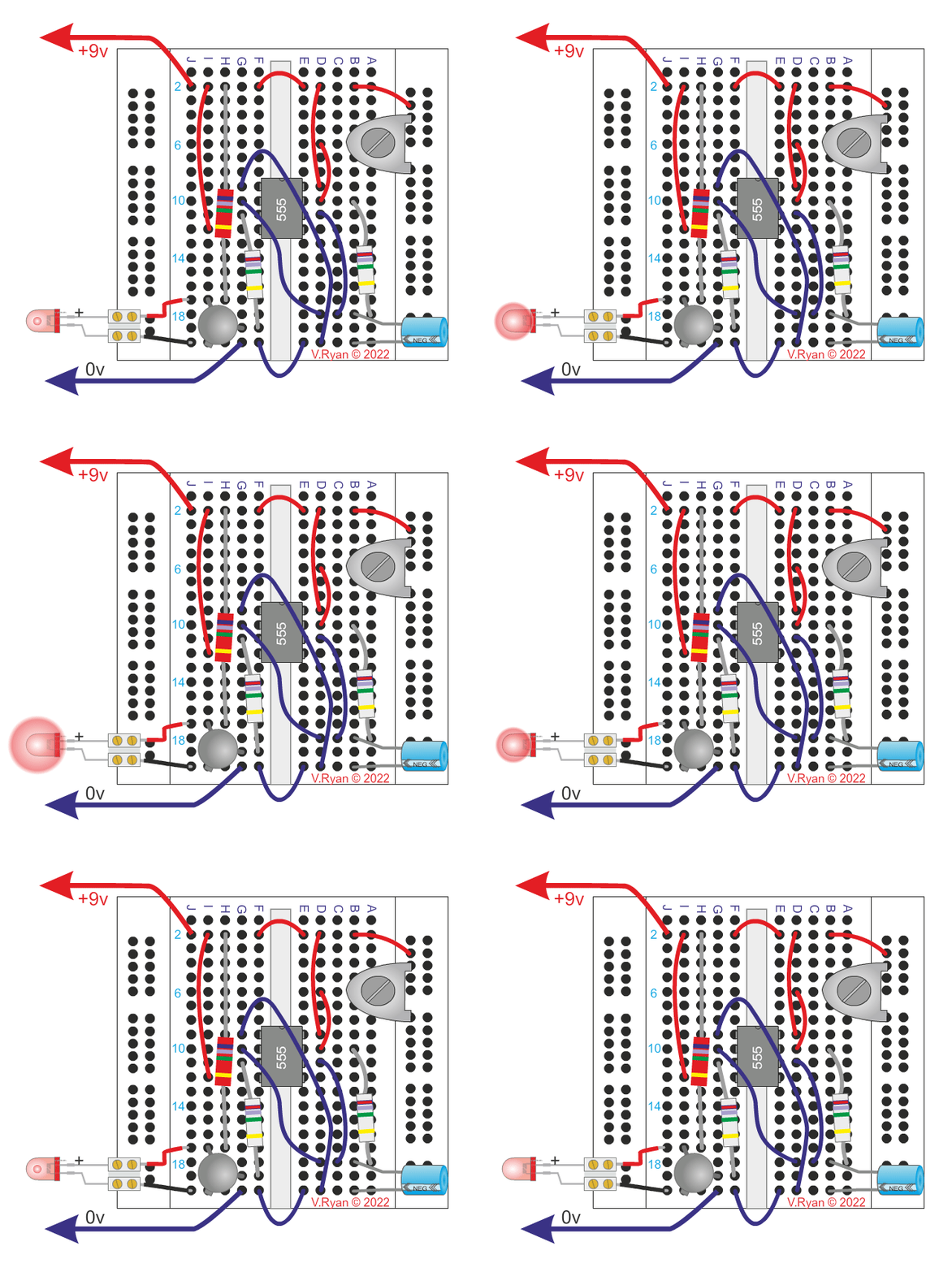
Circuits can also be built on a breadboard using real components. This
is a time consuming method and often mistakes occur as many components
are small and it is easy to connect components incorrectly, causing a
circuit to fail. Also, breadboards are prone to damage as the small
connections on the boards are quite delicate.
Using simulation software such as Circuit Wizard is recommended,
as it is a much more reliable and accurate method of testing a circuit.